
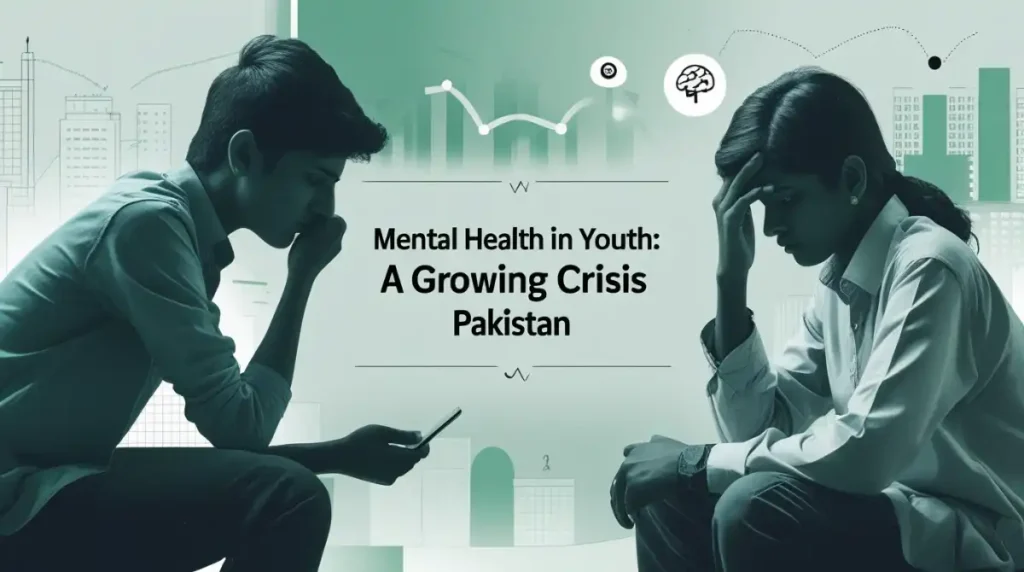
The mental wellbeing of our young generation is becoming an increasingly urgent concern across Pakistan. As parents, educators, and healthcare providers, we’re witnessing a troubling rise in psychological distress among teenagers and young adults. From the bustling streets of Karachi to the educational institutions in Islamabad, youth mental health issues are no longer isolated incidents but a widespread crisis demanding immediate attention.
Recent studies reveal that nearly 1 in 4 Pakistani adolescents experience symptoms of depression or anxiety, yet the majority never receive proper support. This silent epidemic affects students struggling with exam pressure, teenagers navigating social challenges, and young adults facing uncertain futures. Understanding this crisis isn’t just about statistics—it’s about recognizing the real struggles of young people in our communities and taking meaningful action.
Understanding the Youth Mental Health Landscape in Pakistan
Mental health in Pakistani youth encompasses a wide range of psychological and emotional challenges. From anxiety disorders and depression to more severe conditions requiring intensive care at a rehabilitation center in Islamabad, the spectrum is broad and complex.
The emotional wellbeing of teenagers and young adults is shaped by multiple factors: academic expectations, family dynamics, social pressures, and increasingly, digital influences. Unlike physical ailments that show visible symptoms, mental health struggles often remain hidden behind smiles and seemingly normal behavior.
What Makes This a Crisis?
A crisis emerges when the demand for mental health support far exceeds available resources. In Pakistan, we’re facing:
- Limited awareness: Many families still view mental health concerns as personal weakness rather than legitimate medical conditions
- Shortage of specialists: The ratio of mental health professionals to population remains critically low
- Stigma barriers: Fear of judgment prevents young people from seeking help
- Resource gaps: Affordable, quality mental health services remain inaccessible to most families
The World Health Organization emphasizes that half of all mental health conditions begin by age 14, making early intervention crucial. Yet in Pakistan, the average time between symptom onset and treatment often spans years, during which suffering intensifies and academic, social, and personal development suffer.
Primary Causes Behind Rising Youth Mental Health Issues
Academic Pressure and Performance Anxiety
Pakistani students face immense pressure to excel academically. The competitive nature of entrance examinations, board results, and career expectations creates a pressure cooker environment. Many teenagers report feeling their entire future hinges on single test scores.
This stress from social media and academic expectations manifests as:
- Sleep deprivation from endless study hours
- Physical symptoms like headaches and stomach problems
- Emotional exhaustion and burnout
- Loss of interest in previously enjoyed activities
The Digital Age and Social Media Impact
Social media effects on mental health have become particularly pronounced among Pakistani youth. Platforms like Instagram, TikTok, and Facebook create environments of constant comparison, where teenagers measure their worth against carefully curated online personas.
The psychological effects of social media include:
- FOMO (Fear of Missing Out): Anxiety about not being part of social events or trends
- Body image concerns: Unrealistic beauty standards affecting self-esteem
- Cyberbullying: Online harassment causing severe emotional trauma
- Validation seeking: Dependence on likes and comments for self-worth
Research shows that excessive social media use correlates strongly with increased rates of depression and anxiety in young adults. The endless scrolling, notification addiction, and dopamine loops created by these platforms fundamentally alter how young brains process reward and satisfaction.
Family Dynamics and Expectations
Traditional family structures in Pakistan, while providing support systems, can also create unique mental health challenges. Expectations around career choices, marriage, and life paths sometimes conflict with individual aspirations, creating internal turmoil.
Many young people struggle silently with:
- Pressure to pursue specific careers (medicine, engineering) regardless of personal interest
- Early marriage expectations, particularly for young women
- Limited autonomy in personal decisions
- Fear of disappointing parents or bringing shame to families
Economic Uncertainty and Future Anxiety
Pakistan’s economic challenges directly impact youth mental health. Young people worry about:
- Employment prospects after graduation
- Ability to achieve financial independence
- Rising costs and inflation affecting family stability
- Limited opportunities for career growth
This uncertainty about the future creates chronic stress, affecting not just mental health but also motivation and life planning.
Recognizing Warning Signs: When to Seek Help
Parents and educators must watch for these behavioral changes and emotional consequences:
Emotional Symptoms:
- Persistent sadness lasting more than two weeks
- Excessive worry or fear about everyday situations
- Mood swings or irritability beyond normal teenage behavior
- Feelings of hopelessness or worthlessness
- Loss of interest in friends and activities
Behavioral Changes:
- Withdrawal from family and social activities
- Declining academic performance
- Changes in sleep patterns (insomnia or excessive sleeping)
- Appetite changes leading to significant weight loss or gain
- Self-harm behaviors or talk of suicide
Physical Manifestations:
- Unexplained headaches or body pains
- Fatigue despite adequate rest
- Digestive problems without medical cause
If you notice these symptoms persisting, it’s time to seek professional support. Organizations like Irada Clinic offer comprehensive mental health services specifically designed for young people’s needs.
The Role of Substance Abuse in Youth Mental Health
A concerning trend we’re witnessing is the intersection of mental health issues and substance abuse among Pakistani youth. Young people struggling with depression, anxiety, or trauma sometimes turn to drugs or alcohol as coping mechanisms.
Ice nasha (crystal methamphetamine) and other substances have become increasingly accessible in urban centers like Lahore, Karachi, and Islamabad. What often begins as experimentation quickly spirals into addiction, compounding existing mental health problems.
The connection between mental health and substance abuse works both ways:
- Untreated mental health conditions increase vulnerability to drug addiction
- Substance abuse worsens mental health symptoms and can trigger new disorders
- Both require integrated treatment approaches for effective recovery
If your child or a young person you know is struggling with substance abuse, specialized care at a drug rehabilitation center in Lahore or other cities can provide the comprehensive support needed for recovery.
Breaking the Stigma: Cultural Barriers to Treatment
Mental health stigma in Pakistan remains one of the biggest obstacles to getting help. Common misconceptions include:
- “Mental illness means you’re crazy or weak”
- “It’s just a phase—they’ll grow out of it”
- “Therapy is only for severe cases”
- “What will people say if they find out?”
- “Prayer alone should be enough”
These beliefs prevent countless young people from accessing life-changing treatment. The truth is that mental health conditions are medical issues involving brain chemistry, environmental factors, and genetic predisposition—not character flaws.
Islamic perspective on mental health actually encourages seeking treatment. The Prophet Muhammad (PBUH) said, “There is no disease that Allah has created, except that He also has created its treatment.” Combining spiritual support with professional mental health care provides the most comprehensive healing approach.
Available Treatment and Support Options
Professional Mental Health Services
Quality mental health care in Pakistan has expanded significantly, though access remains challenging. Treatment options include:
Therapy Services:
- Cognitive Behavioral Therapy (CBT): Helps identify and change negative thought patterns
- Family therapy: Addresses relationship dynamics affecting mental health
- Group counseling: Provides peer support and shared learning
- Play therapy: Particularly effective for younger children
Psychiatric Care: For conditions requiring medication, consultation with a qualified psychiatrist ensures proper diagnosis and treatment. Conditions like clinical depression, bipolar disorder, or severe anxiety often benefit from a combination of therapy and medication.
Specialized Programs: Comprehensive facilities like Irada Clinic in Islamabad offer integrated approaches addressing multiple aspects of youth wellbeing, from counseling services to psychiatric support and rehabilitation programs.
School-Based Mental Health Initiatives
Educational institutions play a crucial role in early intervention. Progressive schools in Pakistan are implementing:
- Mental health literacy programs teaching students about emotional wellbeing
- Trained school counselors providing initial support
- Stress management workshops before exam periods
- Peer support programs where students help each other
Community Resources and Hotlines
Several organizations provide crisis intervention and support:
- Mental health hotlines offering immediate counseling
- Support groups for teenagers and families
- Online resources and telepsychiatry options
- NGO-run community mental health centers
The World Health Organization provides extensive resources on adolescent mental health that can guide both professionals and families.
Digital Mental Health Tools
Mental health apps and online platforms have made support more accessible:
- Meditation and mindfulness apps helping manage anxiety
- Online therapy platforms connecting youth with therapists
- Digital wellness programs teaching coping skills
- Mental health tracking tools monitoring mood and symptoms
However, these should complement, not replace, professional care when needed.
Practical Strategies for Parents and Caregivers
Creating a Supportive Home Environment
Open Communication:
- Create regular opportunities for honest conversations without judgment
- Listen actively when your child shares concerns
- Avoid dismissing their feelings as “just teenage drama”
- Share your own experiences with stress and coping
Healthy Boundaries Around Technology:
- Establish screen time limits, especially before bedtime
- Encourage social media breaks or “digital detox” periods
- Model healthy technology use yourself
- Discuss online safety and the realities behind social media
Promoting Work-Life Balance:
- Encourage hobbies and interests beyond academics
- Ensure adequate sleep (8-10 hours for teenagers)
- Support physical activity and outdoor time
- Teach that worth isn’t determined solely by grades
When and How to Seek Professional Help
Don’t wait for a crisis to seek support. Consider consultation when:
- Warning signs persist for more than two weeks
- Mental health concerns interfere with daily functioning
- Your child expresses thoughts of self-harm
- You feel overwhelmed managing their emotional needs
Start by scheduling an assessment with qualified professionals. Irada Clinic’s comprehensive services include psychiatric evaluation, counseling, and specialized programs tailored to youth needs.
The Path Forward: Hope and Recovery
Recovery from mental health challenges is absolutely possible with proper support. Young people are remarkably resilient when given appropriate tools and care.
Success factors include:
- Early intervention at the first signs of struggle
- Comprehensive treatment addressing all aspects of wellbeing
- Family involvement and support throughout recovery
- Patience with the healing process—improvement takes time
- Ongoing mental health maintenance, even after symptoms improve
Many young people who’ve received proper mental health care go on to thrive academically, socially, and personally. Treatment isn’t about “fixing” someone—it’s about providing skills and support to navigate life’s challenges effectively.
Building Mental Health Literacy in Communities
Addressing Pakistan’s youth mental health crisis requires collective action:
In Schools:
- Integrate mental health education into curricula
- Train teachers to recognize warning signs
- Reduce academic pressure through balanced assessment approaches
- Provide accessible counseling services
In Healthcare:
- Increase mental health professional training programs
- Make services affordable and geographically accessible
- Integrate mental health screening into routine check-ups
- Develop youth-friendly service delivery models
In Communities:
- Run awareness campaigns challenging stigma
- Create safe spaces for young people to discuss mental health
- Support families navigating treatment options
- Share success stories showing recovery is possible
In Media:
- Portray mental health issues accurately and sensitively
- Highlight resources and treatment options
- Feature young voices discussing their experiences
- Counter harmful stereotypes about mental illness
Frequently Asked Questions
What are the early signs of depression in teenagers?
Early signs include persistent sadness, withdrawal from friends and activities, declining grades, sleep changes, loss of appetite, and expressing feelings of hopelessness. If these symptoms last more than two weeks, professional evaluation is recommended.
How does social media affect youth mental health?
Social media can contribute to anxiety, depression, and low self-esteem through constant comparison, cyberbullying, and validation-seeking behavior. Limiting use and practicing mindful scrolling can reduce negative impacts.
Is mental health treatment expensive in Pakistan?
Costs vary widely. While private psychiatrists and therapists can be expensive, many organizations offer affordable or sliding-scale services. Some rehabilitation centers provide comprehensive programs at accessible rates.
Can teenagers overcome mental health issues without medication?
Many young people benefit from therapy alone, particularly for mild to moderate anxiety or depression. However, some conditions require medication as part of comprehensive treatment. A qualified psychiatrist can assess individual needs.
How can parents support a teenager with mental health struggles?
Listen without judgment, validate their feelings, avoid dismissing concerns, maintain open communication, seek professional help when needed, and educate yourself about mental health. Your support makes a tremendous difference.
What’s the difference between normal teenage mood swings and a mental health condition?
Normal mood changes are temporary and don’t significantly impact daily functioning. Mental health conditions involve persistent symptoms lasting weeks, interfering with school, relationships, and daily activities. When in doubt, consult a professional.
Take Action Today
The youth mental health crisis in Pakistan is real and growing, but it’s not insurmountable. Every young person deserves access to the support that allows them to thrive emotionally, academically, and socially.
If your child is struggling with mental health challenges, substance abuse, or behavioral concerns, professional support can make all the difference. Don’t let stigma or uncertainty delay getting help.
Book an assessment today at Irada Clinic, Islamabad and give your child the support they deserve.
Our comprehensive approach addresses the unique needs of young people through evidence-based psychiatric services, counseling, and specialized rehabilitation programs. Recovery begins with a single step—reach out today and invest in your child’s future wellbeing.
Remember: seeking help isn’t a sign of weakness—it’s an act of courage and love. Together, we can ensure Pakistan’s youth have the mental health support they need to build bright, fulfilling futures.