
Have you ever noticed how a stressful day at work can leave you with a pounding headache? Or how anxiety before an important event makes your stomach churn? These aren’t just coincidences – they’re clear examples of how mental health affects physical health in profound ways.
The connection between our minds and bodies is far more intricate than many people realize. At Irada Clinic, we’ve seen firsthand how addressing mental wellness can transform not just emotional wellbeing, but physical health outcomes too.
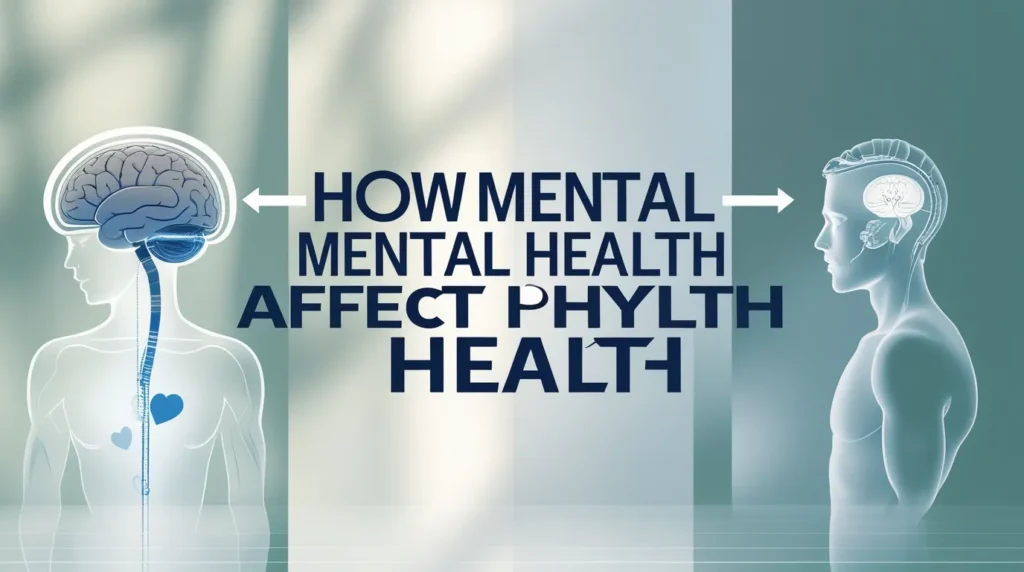
Understanding the Mind-Body Connection
The relationship between mental and physical health works both ways. When you’re experiencing psychological stress, your body responds with real, measurable changes. Your heart rate increases, your muscles tense up, and your immune system can become compromised.
This bidirectional relationship means that mental health conditions don’t just affect your mood – they create tangible physical manifestations throughout your body. Research from the World Health Organization confirms that people with mental health disorders often experience chronic physical conditions, and vice versa.
How Does Mental Health Impact Physical Health?
The ways mental health impacts physical wellbeing are numerous and scientifically documented. Your brain and body communicate constantly through complex systems, particularly the HPA axis (hypothalamic-pituitary-adrenal axis), which regulates stress responses.
When you’re dealing with depression, anxiety, or chronic stress, your body releases cortisol and other stress hormones. Over time, elevated cortisol levels can lead to:
- Weakened immune system function
- Increased inflammation throughout the body
- Higher blood pressure and cardiovascular strain
- Disrupted sleep patterns
- Changes in appetite and metabolism
- Chronic pain and muscle tension
Physical Symptoms of Poor Mental Health
Many people don’t realize that their physical complaints might stem from mental health conditions. Here are some common physical symptoms linked to psychological distress:
Stress and Anxiety Physical Symptoms:
- Headaches from stress and muscle tension
- Stomach problems and digestive issues anxiety
- Chest pain anxiety (often mistaken for heart problems)
- Rapid heartbeat and breathing difficulties
- Teeth grinding anxiety, especially during sleep
Depression Physical Health Effects:
- Persistent fatigue depression, even after rest
- Unexplained aches and chronic pain depression
- Weight fluctuations stress related
- Insomnia mental health or oversleeping
- Weakened immune system, leading to frequent illnesses
Long-term Chronic Stress Effects:
- High blood pressure stress that doesn’t resolve
- Cardiovascular disease risk increases significantly
- Metabolic syndrome and diabetes risk
- Autoimmune conditions can worsen
- Skin conditions stress like eczema or psoriasis flare-ups
The Science Behind Mental-Physical Health Connection
Understanding psychoneuroimmunology – the study of how psychological processes affect the nervous and immune systems – helps explain this connection. When you experience emotional stress, your sympathetic nervous system activates the “fight or flight” response.
This response was helpful for our ancestors facing immediate physical threats, but in modern life, chronic activation leads to allostatic load – the wear and tear on your body from repeated stress cycles. This sustained pressure contributes to systemic inflammation, which researchers increasingly link to conditions like heart disease, diabetes, and even certain cancers.
Can Anxiety Cause Physical Health Problems?
Absolutely. Generalized anxiety disorder physical symptoms can be severe and persistent. People with anxiety often experience:
- Gastrointestinal problems, including irritable bowel syndrome
- Cardiovascular complications from sustained elevated heart rate
- Weakened immune response, making you more susceptible to infections
- Sleep deprivation, which compounds other health issues
- Tension headaches and migraines
The connection between stress and heart disease is particularly concerning. According to research published by health authorities, people with anxiety disorders have significantly higher rates of cardiovascular disease.
How Depression Affects Your Physical Health
Depression isn’t just feeling sad – it creates measurable changes in your body. When asking “does depression cause physical pain,” the answer is a resounding yes.
People with major depressive disorder physical effects often report:
- Chronic unexplained pain in joints, back, or limbs
- Appetite changes leading to significant weight changes
- Sleep disturbances affecting every body system
- Fatigue that makes basic tasks feel overwhelming
- Digestive problems and stomach issues
Research shows that untreated depression affects the body by increasing inflammation markers in the blood. This inflammatory response can contribute to conditions like arthritis, diabetes, and cardiovascular disease.
Can Depression Weaken Your Immune System?
Yes, depression significantly impacts immune function. The relationship between depression and immune system function is well-established. People experiencing depression show:
- Reduced lymphocyte response
- Altered cytokine production
- Decreased natural killer cell activity
- Slower wound healing
- Greater vulnerability to infections
This explains why people dealing with mental health challenges often find themselves getting sick more frequently.
Specific Mental Health Conditions and Physical Impact
Different mental health disorders create distinct patterns of physical symptoms:
PTSD Physical Symptoms:
- Hypervigilance keeping the body in constant alert mode
- Severe sleep disturbances
- Chronic pain syndromes
- Gastrointestinal problems
OCD Physical Effects:
- Repetitive strain from compulsive behaviors
- Sleep deprivation from intrusive thoughts
- Skin damage from excessive washing or picking
Panic Disorder Symptoms:
- Intense chest pain and breathing difficulty
- Dizziness and lightheadedness
- Trembling and sweating
- Feeling of impending doom accompanied by physical sensations
The Role of Stress Hormones
Understanding stress hormone effects helps explain the mind-body connection. When stressed, your body produces:
Cortisol: Often called the “stress hormone,” prolonged elevation leads to:
- Weight gain, particularly around the midsection
- Blood sugar imbalances
- Suppressed immune function
- Memory and concentration problems
Adrenaline: Creates immediate physical responses:
- Increased heart rate and blood pressure
- Rapid breathing
- Heightened alertness
- Diverted blood flow from digestive system
Chronic activation of these systems through ongoing psychological stress creates the foundation for numerous physical health problems.
Breaking the Cycle: How to Improve Mental Health for Better Physical Health
The good news? Improving mental health can dramatically enhance physical wellbeing. Here are evidence-based approaches:
Professional Mental Health Treatment
Seeking professional help is crucial. At Irada Clinic, Islamabad, we offer comprehensive rehabilitation services, counselling services, psychiatric services and corporate management training designed to address both mental and physical health aspects.
Therapy Benefits Physical Health:
- Cognitive behavioral therapy helps change thought patterns that trigger physical stress responses
- Therapy improves physical health outcomes for chronic conditions
- Stress management techniques learned in therapy reduce cortisol levels
- Professional support addresses root causes, not just symptoms
Lifestyle Changes Mental Health
Implementing holistic health approaches creates lasting change:
Exercise Mental Health Benefits: Regular physical activity releases endorphins, natural mood elevators that also reduce pain perception and improve immune function.
Nutrition Mental Health: Proper nutrition supports brain chemistry. Foods rich in omega-3 fatty acids, B vitamins, and antioxidants support both mental wellness and physical health.
Sleep Hygiene Mental Health: Quality sleep allows your body to repair and your mind to process emotions. Establishing consistent sleep patterns helps regulate cortisol and other stress hormones.
Mind-Body Practices
Incorporating integrated treatment approaches yields powerful results:
- Meditation physical benefits include reduced blood pressure, improved immune response, and decreased inflammation
- Yoga mental health benefits combine physical movement with mindfulness, addressing both aspects simultaneously
- Mindfulness stress reduction techniques help interrupt the stress response before it triggers physical symptoms
Recognizing Warning Signs
How do you know if mental health is affecting physical health? Watch for these signs:
- Physical symptoms that don’t respond to medical treatment
- Unexplained pain that moves around or changes
- Symptoms that worsen during stressful periods
- Multiple doctor visits without clear diagnoses
- Physical complaints accompanied by mood changes
These patterns often indicate psychosomatic disorders – real physical symptoms stemming from psychological causes. This doesn’t mean symptoms are “all in your head” – they’re very real and require proper attention.
The Importance of Integrated Healthcare
Effective treatment recognizes that mental physical health relationship requires comprehensive care. This integrated health approach means:
- Medical doctors working with mental health professionals
- Treating the whole person, not isolated symptoms
- Addressing both psychological and physical aspects simultaneously
- Using medication when appropriate, combined with therapy and lifestyle modifications
Research consistently shows that integrated treatment approach produces better outcomes than addressing mental or physical health in isolation.
Mental Health Services in Pakistan
For those seeking support, quality mental health services are available. Irada Clinic stands as the best rehabilitation center in Islamabad, offering specialized care that acknowledges the profound connection between mental and physical wellbeing.
Our approach includes:
- Comprehensive assessments addressing both mental and physical symptoms
- Evidence-based treatment protocols
- Personalized care plans recognizing individual needs
- Follow-up support ensuring lasting recovery
Whether you’re dealing with anxiety physical symptoms, depression effects, or chronic stress, professional help can make a transformative difference.
Frequently Asked Questions
How does mental health affect physical health? Mental health influences physical health through stress hormones, immune function, inflammation, sleep quality, and behavioral patterns. Poor mental health can lead to real physical symptoms and chronic conditions.
Can stress make you physically sick? Yes, chronic stress weakens immune function, increases inflammation, raises blood pressure, and disrupts sleep – all of which can make you physically ill and more susceptible to infections and diseases.
Does depression cause physical pain? Depression commonly causes physical pain through altered pain perception, muscle tension, inflammation, and changes in brain chemistry. Many people with depression experience chronic unexplained aches.
What are the physical symptoms of poor mental health? Common symptoms include headaches, digestive problems, muscle tension, fatigue, sleep disturbances, chest pain, weakened immunity, appetite changes, and chronic pain conditions.
Can improving mental health improve physical health? Absolutely. Addressing mental health through therapy, medication when needed, stress management, and lifestyle changes can significantly improve physical symptoms and overall health outcomes.
How does stress affect your immune system? Chronic stress suppresses immune function by reducing lymphocyte activity, altering inflammation responses, and decreasing your body’s ability to fight infections and heal wounds.
What happens to your body when you’re stressed? Your body releases cortisol and adrenaline, increases heart rate and blood pressure, tenses muscles, disrupts digestion, and redirects resources away from immune function and healing.
Can mental illness lead to physical illness? Yes, untreated mental health conditions significantly increase risk for cardiovascular disease, diabetes, autoimmune conditions, chronic pain syndromes, and other physical health problems.
Taking the First Step Toward Wellness
Understanding how mental health affects physical health is the first step toward comprehensive wellness. The mind-body connection isn’t something to fear – it’s a powerful opportunity for healing.
When you address mental health challenges, you’re not just improving your mood or reducing anxiety. You’re supporting your immune system, protecting your heart, reducing inflammation, improving sleep, and giving your body the best chance to thrive.
Remember that seeking help isn’t weakness – it’s wisdom. Whether you’re experiencing obvious mental health struggles or unexplained physical symptoms that won’t resolve, professional support can provide answers and relief.
Your Path to Better Health Starts Here
At Irada Clinic, we understand that true health encompasses both mind and body. Our team of experienced professionals provides compassionate, evidence-based care that addresses the whole person.
Don’t let the stigma around mental health prevent you from getting the support you deserve. Your mental wellness directly impacts your physical health, relationships, work, and quality of life.
Book an assessment today at Irada Clinic, Islamabad and give yourself the support you deserve.
Note: This article provides general information about mental health and physical health connections. It’s not a substitute for professional medical advice, diagnosis, or treatment. Always consult qualified healthcare providers for personalized medical guidance.