Residential Rehabilitation: What to Expect From Structured Indoor Care
Residential rehabilitation provides a structured indoor environment where individuals can step away from everyday situations that may make recovery difficult and focus on rehabilitation with professional support.
At IRADA – Institute of Rehabilitation & Mental Health Services, residential rehabilitation is part of our indoor care services in Islamabad and Bahawalnagar. Our indoor program combines structured rehabilitation with counselling, medical supervision, mental health support, relapse prevention, and ongoing recovery work.
The aim is to provide individuals with a supportive environment where they can focus on recovery while receiving appropriate professional care.
What Is Residential Rehabilitation?
Residential rehabilitation, also known as indoor rehabilitation, involves staying at a rehabilitation facility for a period of structured care and support.
Instead of attending sessions and returning home each day, individuals receiving indoor care remain within the rehabilitation environment and follow a structured routine.
This can be helpful for people who require a more organized setting, continued professional supervision, or separation from environments associated with ongoing substance use.
What Does IRADA Provide in Indoor Rehabilitation?
IRADA provides a structured indoor rehabilitation environment designed to support individuals throughout their recovery journey.
Our indoor care includes:
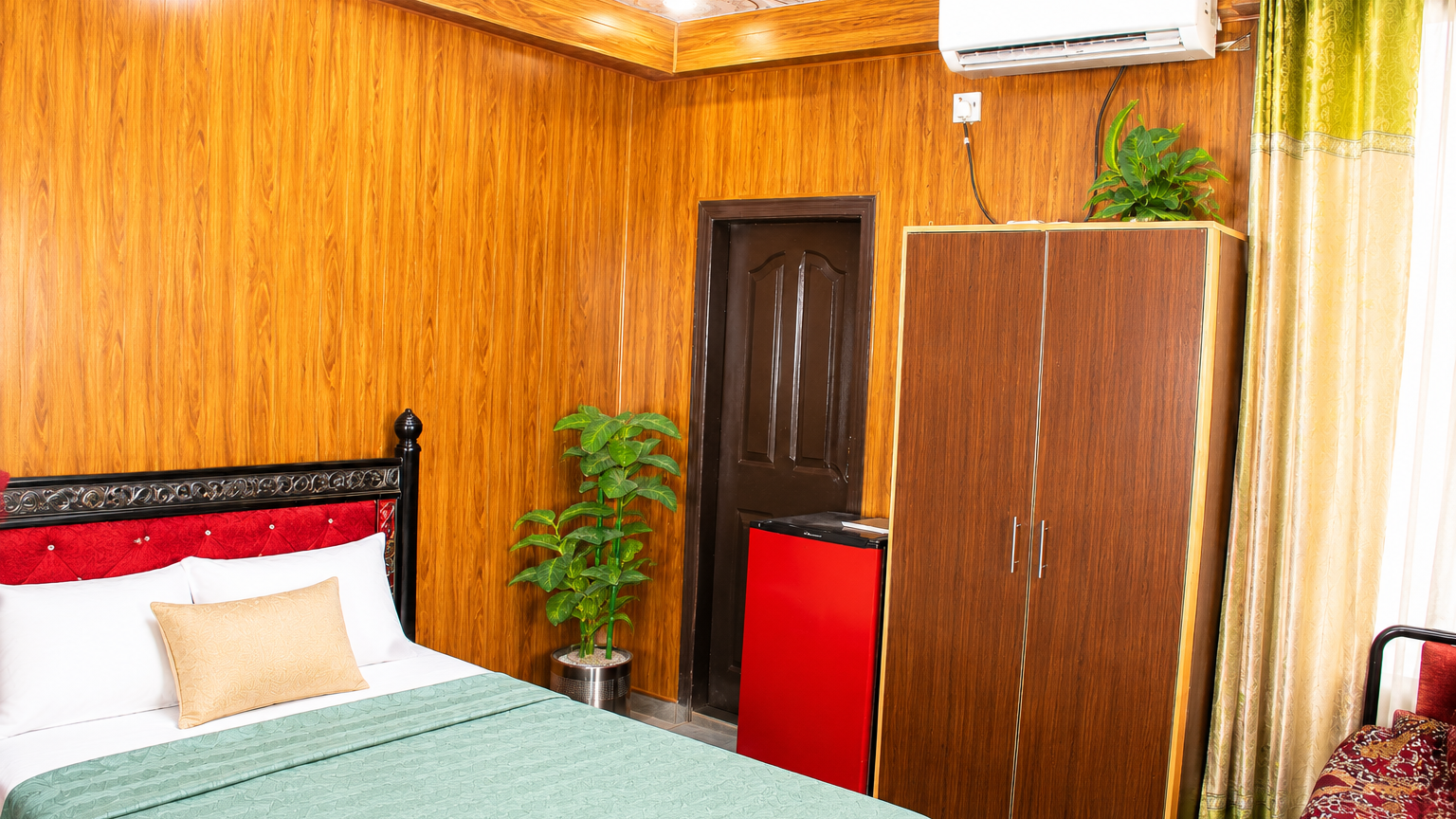
- Comfortable residential rooms and room facilities
- 24/7 medical supervision
- Doctors staying onsite
- Detox support and prescribed detox medications where clinically appropriate
- Counselling and rehabilitation support
- Mental health support
- Relapse-prevention work
- 12-Step recovery support
- Family involvement
- Recreational facilities
- Structured daily routines
- Continued recovery support
The exact care provided can depend on the individual's needs and professional assessment.
Residential Rehabilitation at IRADA
Indoor rehabilitation at IRADA is not limited to providing accommodation.
The residential environment allows individuals to remain within a structured setting while working on the different areas of recovery.
This can include rehabilitation counselling, mental health support, recovery-focused activities, medical supervision, family involvement, and preparation for continued recovery after residential care.
The goal is to support recovery as a process rather than treating residential admission as a single isolated event.
24/7 Medical Supervision
One of the important aspects of IRADA's indoor rehabilitation is 24/7 medical supervision.
People undergoing rehabilitation may experience physical or psychological concerns that require professional attention. Having medical supervision available within the residential setting provides an additional level of support during the rehabilitation process.
IRADA also has doctors staying onsite as part of its indoor care arrangement.
Medical care and supervision are provided according to individual circumstances and clinical needs.
Detox Support and Medications
For individuals who require detox as part of their rehabilitation, professional assessment is important before and during the process.
IRADA provides detox support as part of its rehabilitation services, including detox medications when clinically appropriate and prescribed as part of professional care.
Detox can involve withdrawal-related physical or psychological symptoms, and the appropriate approach depends on the substance involved and the individual's circumstances.
Detox is also only one part of recovery. Following detox, continued rehabilitation, counselling, relapse prevention, and recovery support may be needed.
Our article on detox and withdrawal support explains this process in more detail.
A Structured Indoor Environment
A structured environment can help individuals establish a routine during rehabilitation.
Residential care provides a setting where individuals can focus their time and attention on recovery rather than continuing with the same daily environment in which substance use may have been taking place.
At IRADA, indoor rehabilitation can include structured routines, counselling, recovery activities, medical supervision, and opportunities for recreation.
The purpose is to create an environment that supports rehabilitation while maintaining appropriate professional care.
Counselling During Residential Rehabilitation
Counselling is an important part of addiction rehabilitation.
During indoor care, individuals have the opportunity to work through concerns related to substance use, behaviour, emotions, relationships, and recovery.
Counselling may address:
- Understanding substance-use patterns
- Identifying personal triggers
- Managing difficult emotions
- Developing healthier coping strategies
- Understanding relapse risks
- Improving communication
- Strengthening recovery motivation
- Preparing for life after residential rehabilitation
Counselling can continue throughout the recovery process rather than ending when a person leaves the residential setting.
The 12-Step Approach
IRADA incorporates a 12-Step approach into addiction recovery support.
The 12-Step approach can provide a structured framework for individuals working toward long-term recovery.
Within residential rehabilitation, this approach can be combined with counselling, medical supervision, mental health support, family involvement, relapse prevention, and other appropriate recovery services.
The purpose is to help individuals develop a foundation for continued recovery beyond their period of indoor care.
Addiction and Mental Health: An Integrated Approach
Substance-use concerns can occur alongside mental health difficulties.
Some individuals entering rehabilitation may also experience anxiety, depression, emotional difficulties, behavioural concerns, or other mental health needs.
For this reason, IRADA takes an integrated approach to addiction rehabilitation and mental health support.
Depending on individual needs, care may involve rehabilitation counselling, psychological support, psychiatric support when clinically appropriate, medical supervision, and continued recovery support.
Addressing these areas together can be an important part of a person's overall rehabilitation plan.
Relapse Prevention During Residential Care
Residential rehabilitation provides an opportunity to begin working on relapse prevention before returning to everyday life.
Individuals can learn to recognize situations, emotions, environments, and behaviours that may increase their risk of returning to substance use.
Relapse-prevention work can include:
- Identifying personal triggers
- Recognizing early warning signs
- Developing healthier routines
- Planning for difficult situations
- Strengthening recovery support
- Preparing for life after residential rehabilitation
Our relapse prevention guide provides more information about triggers and long-term recovery.
Residential Rehabilitation for Different Forms of Substance Use
IRADA provides rehabilitation support for different forms of substance use.
People may seek rehabilitation following problems involving substances such as:
- Heroin
- Opioids
- Cocaine
- Crack cocaine
- Methamphetamine or crystal meth
- Cannabis or marijuana
- Alcohol
- Prescription medicines
- Benzodiazepines
- Sleeping medicines
- Tramadol
- Inhalants
- Other psychoactive substances
The appropriate rehabilitation and medical support can differ according to the substance involved, the person's history of use, and their individual circumstances.
Family Support During Residential Rehabilitation
Family involvement can be an important part of addiction recovery.
Residential rehabilitation may give families an opportunity to better understand the recovery process and learn how they can support their family member appropriately.
Family support may include:
- Understanding addiction and recovery
- Learning about relapse risks
- Improving communication
- Supporting healthy boundaries
- Preparing for the individual's return home
- Encouraging continued recovery support
At IRADA, family involvement can form part of the wider rehabilitation and recovery process.
Recreational Facilities During Indoor Care
Recovery involves more than counselling and medical care.
IRADA's indoor rehabilitation environment also includes recreational facilities, providing individuals with opportunities for appropriate activities during their residential stay.
Recreation can contribute to a structured daily environment and provide healthy alternatives to spending time in situations associated with substance use.
These activities form part of the broader residential environment alongside rehabilitation, counselling, medical supervision, and recovery work.
What Happens After Residential Rehabilitation?
Leaving residential care does not necessarily mean that recovery support should stop.
The transition back to everyday life can bring new challenges, including exposure to previous environments, stress, responsibilities, relationships, and potential triggers.
Continued support may include:
- Counselling
- Relapse prevention
- 12-Step recovery
- Family support
- Mental health care
- Follow-up rehabilitation support
- Healthy daily routines
- Long-term recovery planning
Our article on recovery support after rehabilitation explains why ongoing support can remain important after residential care.
When May Residential Rehabilitation Be Appropriate?
Residential rehabilitation may be considered when an individual:
- Needs a structured indoor rehabilitation environment
- Has difficulty maintaining recovery while living at home
- Requires continued professional supervision
- Has experienced repeated relapse
- Needs support with withdrawal or detox as part of rehabilitation
- Has substance-use concerns alongside mental health difficulties
- Would benefit from a residential setting away from previous substance-use environments
- Needs a more comprehensive rehabilitation and recovery program
The appropriate level of care should be determined according to individual circumstances and professional assessment.
What Can Someone Expect When Contacting IRADA?
When an individual or family contacts IRADA, they can discuss their concerns and learn about available rehabilitation and mental health services.
Professional assessment can help determine whether indoor/residential care is appropriate and what type of support may be required.
For individuals admitted for indoor rehabilitation, IRADA provides a residential environment with room facilities, 24/7 medical supervision, doctors staying onsite, detox support and medications when clinically appropriate, counselling, recovery support, mental health care, relapse prevention, 12-Step recovery, family involvement, and recreational facilities.
For information about starting the process, visit our Admissions page.
You can also contact IRADA to discuss available care.
Residential Rehabilitation at IRADA
IRADA provides indoor and outdoor rehabilitation and mental health services in Islamabad and Bahawalnagar.
Our residential rehabilitation combines a structured indoor environment with professional medical supervision, counselling, addiction rehabilitation, mental health support, relapse prevention, the 12-Step approach, family involvement, detox support, and continued recovery planning.
With doctors staying onsite and 24/7 medical supervision available, individuals receiving indoor care have access to professional support throughout their residential rehabilitation.
The aim is to provide a supportive environment where individuals can focus on recovery and develop a foundation for continued progress after leaving residential care.
Explore our rehabilitation and mental health services to learn more.
Frequently Asked Questions
What is residential rehabilitation?
Residential rehabilitation is structured indoor care where an individual stays at a rehabilitation facility while receiving professional rehabilitation and recovery support.
Does IRADA provide indoor rehabilitation?
Yes. IRADA provides indoor/residential rehabilitation as part of its rehabilitation services in Islamabad and Bahawalnagar.
Does IRADA have 24/7 medical supervision?
Yes. IRADA provides 24/7 medical supervision as part of its indoor rehabilitation care.
Do doctors stay onsite at IRADA?
Yes. Doctors stay onsite as part of IRADA's indoor rehabilitation arrangements.
Does IRADA provide detox support?
Yes. IRADA provides detox support as part of rehabilitation, including detox medications when clinically appropriate and prescribed as part of professional care.
Does indoor rehabilitation include counselling?
Yes. Counselling is an important part of IRADA's residential rehabilitation and recovery support.
Does IRADA use the 12-Step approach?
Yes. The 12-Step approach is incorporated into IRADA's addiction recovery support.
Does IRADA provide recreational facilities?
Yes. Recreational facilities are available as part of the indoor rehabilitation environment.
Is residential rehabilitation only for addiction?
IRADA's residential rehabilitation is primarily part of its addiction rehabilitation and recovery services, while mental health support can also be incorporated where appropriate according to individual needs.
What happens after residential rehabilitation?
Continued counselling, relapse prevention, 12-Step recovery, family support, mental health care, and ongoing recovery support may help individuals maintain progress after leaving residential care.
Where does IRADA provide indoor rehabilitation?
IRADA provides indoor and outdoor care in Islamabad and Bahawalnagar.
Take the Next Step
Choosing residential rehabilitation is an important step for individuals and families seeking structured support for substance-use concerns.
At IRADA, indoor care brings together residential facilities, 24/7 medical supervision, onsite doctors, detox support, counselling, mental health care, relapse prevention, the 12-Step approach, family support, recreational facilities, and ongoing recovery support.
If you or a family member is considering residential rehabilitation, explore our services, learn about Admissions, or contact IRADA to discuss the next step.