
Depression: Symptoms, Causes, Treatment & When to Seek Help
Depression: Symptoms, Causes, Treatment & When to Seek Help
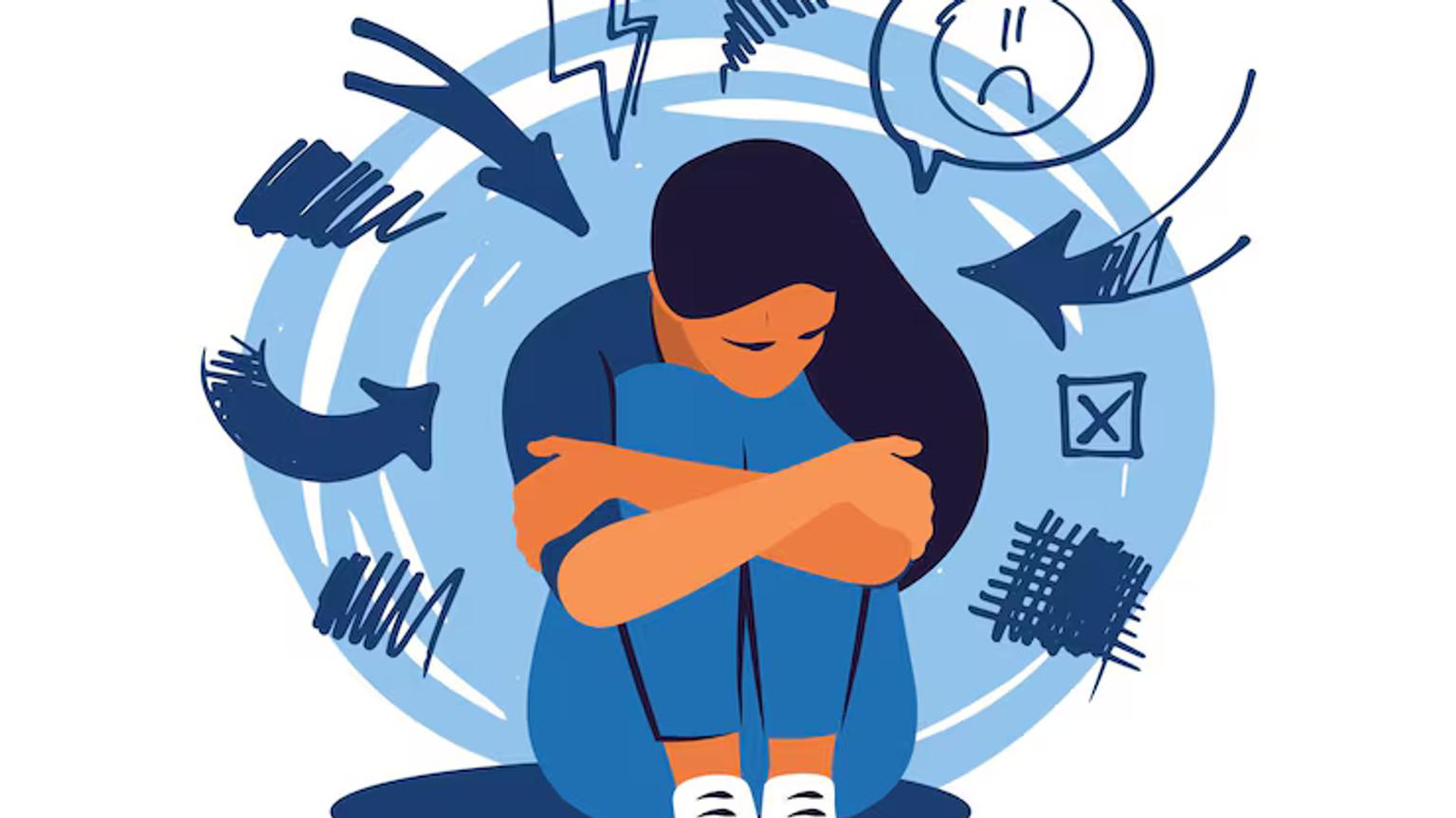
Feeling sad, tired, or overwhelmed from time to time is a normal part of life. Depression, however, is different from temporary sadness or a difficult day. It is a common mental health condition that can affect mood, interest in activities, sleep, appetite, concentration, relationships, work, and everyday functioning.
Depression can affect anyone, and it is not a sign of weakness or a lack of willpower. With appropriate professional support, depression can be treated.
What Is Depression?
Depression is a mental health condition commonly associated with persistent low mood or a loss of interest or pleasure in activities. During a depressive episode, symptoms are generally present for most of the day, nearly every day, for at least two weeks.
The experience can vary from person to person. Some people primarily notice sadness, while others may experience exhaustion, irritability, difficulty concentrating, changes in sleep, or a feeling that everyday activities have become unusually difficult.
Common Symptoms of Depression
Depression can affect both emotional and physical wellbeing. Common symptoms may include:
- Persistent sadness, emptiness, or low mood
- Loss of interest or pleasure in activities once enjoyed
- Low energy or unusual tiredness
- Difficulty concentrating or making decisions
- Changes in sleep, including sleeping too much or too little
- Changes in appetite or weight
- Feelings of guilt, worthlessness, or low self-esteem
- Feelings of hopelessness about the future
- Withdrawal from family, friends, or usual activities
- Difficulty managing work, studies, or daily responsibilities
- Thoughts about death, self-harm, or suicide
Not everyone experiences all of these symptoms. Their severity and impact on daily life can also vary.
Depression Is More Than Feeling Sad
Everyone experiences sadness, disappointment, grief, and stress. These feelings can be part of a normal response to difficult circumstances.
Depression is different when symptoms persist and begin to interfere significantly with everyday life. A person may stop enjoying things they previously valued, struggle to complete ordinary responsibilities, or find it increasingly difficult to maintain relationships and routines.
Recognizing this difference can be an important first step toward seeking help.
What Can Contribute to Depression?
There is usually no single cause of depression. It can develop through a complex interaction of biological, psychological, and social factors.
Possible contributing factors can include:
- Difficult or stressful life experiences
- Bereavement or significant loss
- Relationship difficulties
- Ongoing work, financial, or family stress
- Trauma or adverse experiences
- Certain physical health conditions
- Family or personal history of mental health difficulties
- Social isolation or reduced support
Having one or more of these experiences does not necessarily mean that someone will develop depression. Professional assessment can help understand what a person is experiencing and what type of support may be appropriate.
How Is Depression Treated?
Depression is treatable, and treatment can vary depending on the person's symptoms, severity, circumstances, and preferences.
Psychological treatments are an important part of depression care. Evidence-based approaches can help people understand patterns of thinking and behaviour, develop coping strategies, manage problems, and improve daily functioning.
Depending on the situation, a mental health professional or doctor may also consider medication. For some people, psychological treatment and medication may be used together.
Treatment should be individualized rather than based on a one-size-fits-all approach.
When Should You Seek Professional Help?
Consider speaking with a mental health professional if low mood, loss of interest, or other symptoms are:
- Lasting for two weeks or longer
- Becoming more frequent or severe
- Affecting work, studies, relationships, or daily responsibilities
- Making it difficult to maintain normal routines
- Causing significant distress
- Accompanied by feelings of hopelessness or worthlessness
You do not have to wait until symptoms become severe before asking for help. Early professional support can help identify what is happening and determine appropriate next steps.
What Can You Do If You Think You May Be Depressed?
Small steps can be helpful while seeking appropriate professional support.
Try to maintain regular sleep and eating routines, stay connected with trusted people, and continue gentle physical or social activities where possible. Talking openly with someone you trust can also reduce isolation.
Most importantly, avoid trying to manage persistent or severe symptoms entirely on your own. A qualified healthcare or mental health professional can help assess your symptoms and discuss suitable options.
Supporting Someone With Depression
If someone you care about may be experiencing depression, listening without judgment can be valuable.
You can encourage them to talk about what they are experiencing and gently suggest professional support. Avoid telling them to simply "think positively" or "try harder." Depression is not a matter of choosing to feel better.
Practical support can also help, such as accompanying them to an appointment or helping them maintain everyday routines.
If There Are Thoughts of Self-Harm or Suicide
Thoughts about death, self-harm, or suicide should always be taken seriously.
If you or someone you know is in immediate danger of harming themselves, seek urgent help through local emergency services or the nearest emergency department. Do not leave a person in immediate danger alone.
Professional help should be sought as soon as possible.
Depression Can Be Treated
Depression can make life feel overwhelming, but experiencing depression does not mean that someone has to face it alone.
Recognizing the symptoms and seeking professional support can be an important step toward recovery. A mental health professional can help assess what you are experiencing and guide you toward an appropriate treatment plan.
Looking for Mental Health Support in Islamabad?
IRADA provides mental health, psychological, psychiatric, and rehabilitation services in Islamabad and Bahawalnagar. If you or someone close to you is experiencing persistent changes in mood, interest, sleep, energy, or daily functioning, professional assessment may help determine the appropriate next step.
Contact IRADA to learn more about available mental health support and admissions.