
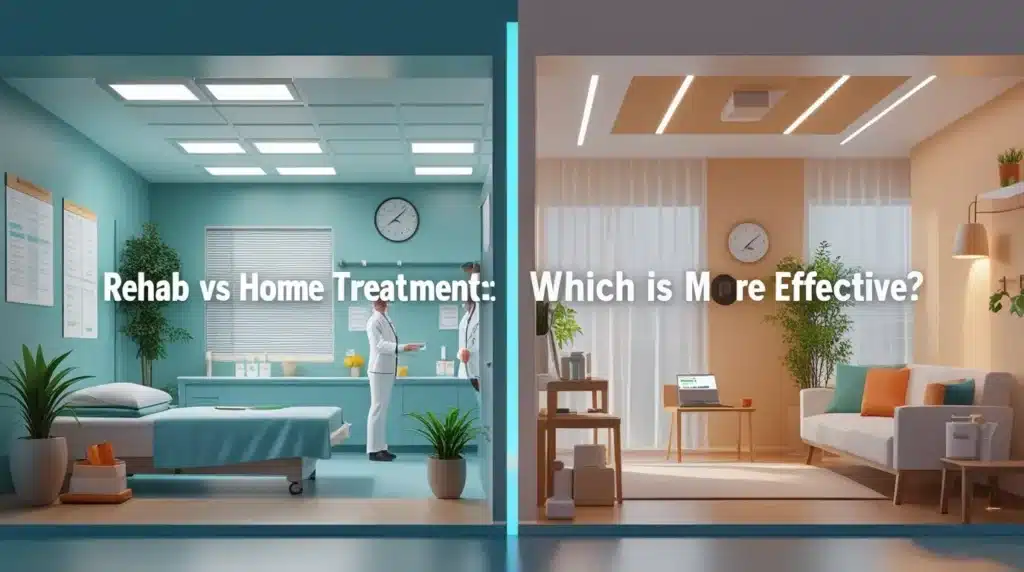
When a loved one struggles with addiction, families face a difficult decision: should they seek professional rehabilitation or attempt recovery at home? This question weighs heavily on many Pakistani families, particularly in cities like Islamabad and Rawalpindi, where access to quality addiction treatment options Pakistan continues to grow.
Understanding the effectiveness of rehab vs home treatment isn’t just about statistics. It’s about real families, real struggles, and finding the path that offers the best chance for lasting recovery. Let’s explore both approaches with compassion and clarity.
Understanding Different Treatment Approaches
Addiction treatment effectiveness depends on various factors including the severity of substance abuse, the presence of co-occurring disorders, and the support system available. Both professional rehabilitation and home-based recovery have their place in the treatment landscape, but they serve different needs and circumstances.
Professional rehabilitation centers provide structured recovery programs with round-the-clock medical supervision during recovery. These facilities offer comprehensive care that addresses not just the physical aspects of addiction but also the psychological and social factors that contribute to substance abuse disorder.
Home-based addiction recovery, on the other hand, allows individuals to remain in familiar surroundings while receiving treatment. This approach typically works best for those with mild to moderate addiction who have strong family support and stable home environments.
When Professional Rehab Is Necessary
Certain situations call for the structured environment and clinical addiction support that only rehabilitation center effectiveness can provide. Understanding these circumstances helps families make informed decisions about their loved one’s care.
Severe Addiction Symptoms Requiring Medical Attention
If someone has been using substances heavily for an extended period, withdrawal symptoms management becomes a critical safety concern. Dangerous withdrawal symptoms from alcohol, benzodiazepines, or opioids can be life-threatening without proper medical intervention.
Professional detox programs Islamabad offer medication-assisted treatment (MAT) that eases withdrawal discomfort and prevents serious complications. This level of care simply cannot be replicated safely at home, no matter how dedicated the family support system may be.
Co-Occurring Mental Health Conditions
Many individuals struggling with addiction also experience depression and addiction together, anxiety disorder treatment needs, or other psychiatric conditions. This dual diagnosis treatment requires specialized expertise that combines addiction counseling services with psychiatric care facilities Pakistan.
According to the World Health Organization, approximately half of people with severe mental disorders also struggle with substance abuse. This complex interplay demands the integrated care available at mental health services Islamabad rather than home-based approaches.
Previous Failed Home Recovery Attempts
When home treatment fails for severe addiction cases, it’s not a reflection of family love or commitment. It simply means the addiction requires a higher level of intervention. Repeated relapses at home often indicate that environmental triggers, inadequate structure, or insufficient professional support are preventing recovery success.
Residential treatment benefits include removing the individual from environments associated with drug use, providing therapeutic intervention methods throughout the day, and teaching relapse prevention skills in a controlled setting before returning home.
The Reality of Home-Based Recovery
Home treatment can work, but understanding its limitations helps families set realistic expectations and recognize when additional support becomes necessary.
What Makes Home Treatment Viable
Self-recovery from addiction at home stands the best chance when several conditions align. The individual must have genuine motivation to change, a mild to moderate addiction without dangerous physical dependence, and a stable, substance-free home environment.
Family-based addiction treatment succeeds when relatives are educated about addiction, maintain firm boundaries, and can provide consistent support without enabling behaviors. Outpatient therapy Islamabad complements home recovery by providing regular professional check-ins and counseling sessions.
Common Challenges Families Face
Even with the best intentions, families encounter significant obstacles when managing recovery at home. Daily triggers remain present, from familiar places to old contacts. Without 24/7 supervision, opportunities for relapse multiply, especially during difficult emotional moments.
Family members, though loving, lack training in therapeutic intervention methods, withdrawal management, and crisis response. The emotional burden of constant vigilance often leads to caregiver burnout, family unable to cope situations, and strained relationships.
Signs You Need Professional Help
Recognizing when home treatment isn’t working requires honest assessment. Warning signs include continued substance use despite family intervention, worsening physical or mental health, suicidal thoughts during recovery, legal problems from addiction, or health complications substance abuse has caused.
If your loved one is unable to stop using alone, experiences severe cravings they cannot manage, or if family dynamics have become toxic or enabling, it’s time to explore professional addiction treatment options.
Comparing Treatment Effectiveness: What Research Shows
Recovery success rates vary significantly based on treatment type and individual circumstances. While no approach guarantees success, research provides helpful guidance.
Success Rate of Rehab vs Home Recovery Programs
Studies indicate that inpatient rehabilitation programs achieve completion rates between 40-60%, with those who complete treatment maintaining sobriety at significantly higher rates than those who attempt self-recovery. According to the National Institute on Drug Abuse, professional treatment reduces drug use by 40-60%—comparable to success rates for managing other chronic conditions like diabetes.
Home-based recovery without professional support shows considerably lower success rates, particularly for moderate to severe addictions. The lack of structured programming, medical oversight, and peer support networks contributes to higher relapse rates within the first year.
Factors That Influence Treatment Outcomes
Treatment program comparison studies reveal several key factors that improve outcomes regardless of setting. These include treatment duration (longer is generally better), family involvement in recovery, aftercare support programs, and addressing co-occurring mental health conditions.
The recovery environment importance cannot be overstated. Professional facilities provide structured days filled with evidence-based treatment methods including cognitive behavioral therapy (CBT), dialectical behavior therapy (DBT), group therapy sessions, and motivational interviewing.
Long-Term Recovery Considerations
Long-term sobriety success depends heavily on the foundation built during initial treatment. Professional programs teach coping mechanisms development, life skills training, and relapse prevention therapy that prepare individuals for challenges they’ll face after leaving treatment.
Outpatient therapy effectiveness improves when it follows residential care, creating a stepped approach that gradually reintroduces independence while maintaining professional support. This continuity of care bridges the gap between intensive treatment and full reintegration into daily life.
Inpatient vs Outpatient Treatment Options
Understanding the spectrum of care helps families choose the right intensity level for their situation.
Residential Rehabilitation Programs
Inpatient rehabilitation provides the highest level of care, with individuals living at the facility full-time, typically for 30, 60, or 90 days. Best rehab centers Islamabad offer comprehensive programs that include medically supervised detox, individual counseling, group therapy sessions, family therapy, life skills workshops, and aftercare planning.
The immersive nature of residential care allows individuals to focus entirely on recovery without the distractions, stressors, or triggers of daily life. This intensive approach works best for severe addictions, those with co-occurring disorders, or anyone who has relapsed after less intensive treatment.
Outpatient and Partial Hospitalization
Outpatient programs Pakistan provide structured treatment while allowing individuals to live at home and potentially continue work or school. Intensive outpatient therapy involves several hours of treatment multiple days per week, while standard outpatient care might involve one or two sessions weekly.
Partial hospitalization programs offer a middle ground, with individuals spending most of the day at the treatment center but returning home at night. This level works well for those stepping down from inpatient care or who need more support than traditional outpatient therapy provides.
Making the Right Choice for Your Situation
When should you choose rehab over home treatment? Consider addiction severity, medical needs, mental health status, home environment safety, previous treatment history, and available support systems.
If your loved one requires detoxification process supervision, has severe addiction, experiences co-occurring disorders, lacks a supportive home environment, or has failed at home recovery previously, residential treatment becomes necessary rather than optional.
The Role of Family in Recovery
Regardless of treatment setting, family involvement in recovery significantly improves outcomes. Understanding how to support without enabling makes the difference between helping and hindering.
How Family Therapy Helps Addiction Recovery
Family therapy available in Pakistan rehab centers addresses the systemic issues that both contribute to and result from addiction. These sessions educate families about addiction as a disease, heal damaged relationships, establish healthy boundaries, and prepare everyone for the recovery journey ahead.
Marriage counseling and parental guidance programs help repair the trust and communication that addiction damages. When family members understand their role in the recovery ecosystem, they become powerful allies rather than inadvertent obstacles.
Creating a Supportive Home Environment
Whether your loved one is in residential care or receiving outpatient treatment, the home environment must support sobriety. This means removing all substances from the home, identifying and minimizing triggers, establishing clear expectations and consequences, and maintaining open, honest communication.
Families benefit from joining support groups like Al-Anon or Nar-Anon, which provide peer support networks specifically for family members. These groups offer guidance, emotional support, and practical strategies from others who understand the unique challenges of loving someone with addiction.
Cost Considerations and Accessibility in Pakistan
Financial concerns often influence treatment decisions, but understanding true costs requires looking beyond initial price tags.
Cost Comparison Between Rehab and Home Treatment Pakistan
While home treatment appears less expensive initially, hidden costs accumulate quickly. These include lost productivity, legal problems from addiction, health complications substance abuse causes, and repeated failed attempts that prolong the addiction cycle.
Professional treatment represents an investment in lasting recovery. The average cost of rehab in Pakistan varies widely depending on facility type, treatment duration, and services provided. However, many families find that successful professional treatment costs less in the long run than years of repeated home attempts.
Finding Affordable Rehab Centers in Islamabad
Affordable rehab centers in Islamabad and Rawalpindi offer quality care at various price points. Some facilities provide sliding scale fees based on income, while others offer payment plans that make treatment accessible.
Government rehab facilities exist in Pakistan, though they often have limited capacity and may not offer the same comprehensive programming as private centers. Research thoroughly, visit facilities if possible, and ask detailed questions about what services are included in treatment costs.
Does Insurance Cover Rehab in Pakistan
Insurance coverage for addiction treatment in Pakistan varies significantly by provider and policy type. Some insurance plans now include mental health and substance abuse coverage, though limitations often apply. Contact your insurance provider directly to understand what rehab services are available under your specific plan.
Treatment Approaches and Therapies
Effective addiction treatment combines multiple therapeutic approaches tailored to individual needs.
Evidence-Based Treatment Methods
Professional facilities use evidence-based treatment methods proven effective through rigorous research. Cognitive behavioral therapy (CBT) helps individuals identify and change thought patterns that lead to substance use. Dialectical behavior therapy (DBT) teaches emotional regulation and distress tolerance skills.
Contingency management provides tangible rewards for maintaining sobriety, while motivational interviewing helps resolve ambivalence about change. These therapies require trained professionals to deliver effectively, making them difficult to implement in home settings.
Holistic Recovery Approaches
Modern addiction treatment centers increasingly incorporate holistic recovery approaches alongside traditional therapies. These might include mindfulness meditation, yoga and exercise programs, nutritional counseling, art or music therapy, and spiritual practices.
Faith-based recovery programs are available for those who find spiritual connection central to their healing. Islamic-based rehab programs in Pakistan incorporate religious teachings and practices that align with cultural values while delivering evidence-based treatment.
Aftercare Support Programs
Recovery doesn’t end when formal treatment concludes. Aftercare support programs dramatically improve long-term outcomes by providing ongoing support as individuals reintegrate into daily life.
Quality facilities offer aftercare planning that includes outpatient therapy referrals, sober living home options, peer support group connections, career counseling, and regular check-ins. This continued engagement helps prevent relapse and addresses new challenges as they arise.
Special Considerations for Pakistan
Cultural context influences both addiction development and treatment effectiveness in Pakistan.
Stigma of Addiction Treatment and Cultural Acceptance
Unfortunately, stigma of addiction treatment remains a significant barrier in Pakistan. Many families delay seeking help due to concerns about privacy concerns treatment raises and fear of social judgment.
However, understanding addiction as a medical condition rather than a moral failing is gradually improving cultural acceptance Pakistan. Professional treatment centers maintain strict confidentiality and create safe spaces where individuals can focus on healing without judgment.
Religious Accommodation in Rehab
For Muslim families, finding facilities that respect religious practices matters deeply. Many Pakistani treatment centers provide dedicated prayer spaces, halal meals, and religious accommodation in rehab programming.
Some facilities integrate Islamic teachings about self-discipline, purpose, and community into their therapeutic approach, creating culturally congruent care that resonates with clients’ values and beliefs.
Gender-Specific Treatment Options
Female-only rehab centers in Pakistan address the unique needs and concerns women face. These facilities recognize that women often experience different pathways to addiction, face distinct social pressures, and may have trauma histories requiring specialized treatment approaches.
Gender-specific programming allows for open discussion of sensitive topics and creates safe environments where women can focus entirely on recovery.
Taking the Next Step Toward Recovery
Making the decision between rehab and home treatment feels overwhelming, but you don’t have to navigate this alone.
How to Get Admitted to Rehab in Islamabad
The admission process typically begins with an initial consultation where professionals assess addiction severity, medical needs, mental health status, and appropriate level of care. This addiction assessment can often be scheduled quickly, sometimes within 24-48 hours.
Many facilities offer free initial consultations and can guide families through the admission process, insurance verification, and treatment planning. Don’t let confusion about logistics delay getting help your loved one needs.
What Happens in a Rehab Center Daily Routine
Understanding what happens in a rehab center helps reduce anxiety about the unknown. Typical days include morning wellness activities, individual therapy sessions, group therapy, educational workshops, meals and free time, evening programs or 12-step meetings, and personal reflection time.
This structured schedule keeps individuals engaged, teaches time management, and builds healthy routines that support sobriety. The predictability of daily programming provides stability during a chaotic time.
Making an Informed Decision
Ultimately, the question of which is better rehab or home treatment for drug addiction depends on individual circumstances. Consider addiction severity honestly, evaluate home environment safety, assess available support systems, review previous treatment attempts, and consult with addiction professionals.
Professional assessment provides objective guidance based on clinical expertise rather than hope or fear. Most addiction specialists offer consultations that can clarify which level of care gives your loved one the best chance at lasting recovery.
Frequently Asked Questions
Is rehab more effective than home treatment?
For moderate to severe addictions, professional rehab demonstrates significantly higher success rates than home treatment alone. Research shows structured programs with medical supervision, professional therapy, and peer support provide better outcomes, particularly when withdrawal symptoms pose safety risks or co-occurring mental health conditions require integrated care.
Can mild addiction be treated at home?
Mild addiction may respond to home treatment when combined with outpatient therapy, strong family support, and genuine motivation to change. However, professional assessment helps determine whether addiction truly qualifies as mild or if underlying issues require more intensive intervention.
What are the risks of treating addiction at home?
Home treatment risks include dangerous unmanaged withdrawal symptoms, inability to address co-occurring mental health conditions, presence of triggers and substance access, lack of professional crisis intervention, family enabling behaviors, and higher relapse rates without structured support.
How long should you stay in rehab?
Treatment duration depends on addiction severity and individual progress. Research indicates longer treatment produces better outcomes. Typical programs range from 30 days for initial stabilization to 90 days or more for comprehensive treatment addressing underlying issues and building solid recovery foundations.
What happens if home treatment fails?
Failed home attempts don’t represent personal failure but rather indicate the need for more intensive care. Professional assessment can identify what additional support the individual requires and recommend appropriate treatment level, whether intensive outpatient, partial hospitalization, or residential care.
Can you work while in outpatient treatment?
Many outpatient programs schedule sessions around work or school commitments, making continued employment possible. Intensive outpatient therapy may require time adjustments, but standard outpatient care typically involves evening or weekend appointments that accommodate regular responsibilities.
How to find licensed rehab centers in Islamabad?
Research facilities thoroughly by checking licensing and accreditation, reading reviews and testimonials, visiting in person when possible, asking about staff qualifications, inquiring about treatment approaches used, and understanding what services are included. Professional organizations and health authorities provide lists of licensed facilities.
Can I visit family during rehab in Islamabad?
Most facilities encourage family visits as part of comprehensive treatment, though visiting policies vary. Some programs include designated family days, while others allow visits after an initial adjustment period. Family therapy sessions typically involve relatives directly in the treatment process.
Finding Hope and Healing
Recovery from addiction is possible, whether through professional rehabilitation, structured outpatient care, or supported home treatment. The key lies in matching treatment intensity to individual needs, maintaining honest assessment of what’s working, and adjusting the approach when needed.
For families in Islamabad, Rawalpindi, and throughout Pakistan, quality addiction treatment options continue to expand. Professional facilities now offer comprehensive care that respects cultural values while delivering evidence-based treatment proven effective worldwide.
Your loved one’s struggle with addiction affects the entire family, but recovery can heal and strengthen relationships damaged by substance abuse. With proper support, individuals can achieve not just sobriety but improved mental health, restored family relationships, and the life skills necessary for lasting wellness.
If you’re weighing the decision between rehab vs home treatment, remember that seeking professional guidance doesn’t represent giving up on home recovery. Rather, it demonstrates commitment to finding the most effective path forward.
Get Professional Support Today
At Irada Clinic in Islamabad, we understand the complex challenges families face when addiction affects their loved ones. Our comprehensive approach combines evidence-based treatment methods with compassionate, culturally sensitive care.
Explore our services including rehabilitation services, counseling services, psychiatric services, and family therapy designed to support every stage of the recovery journey. We offer both residential and outpatient treatment options tailored to individual needs, ensuring each person receives the appropriate level of care.
Our experienced team provides medically supervised detoxification, individual and group therapy, dual diagnosis treatment for co-occurring mental health conditions, family education and counseling, aftercare planning and support, and connection to community resources.
Don’t let uncertainty prevent you from seeking help. Book an assessment today at Irada Clinic, Islamabad and take the first step toward lasting recovery. Every journey begins with a single decision—let today be the day you choose hope, healing, and a healthier future for your family.
Contact us to learn more about how professional addiction treatment can provide the structure, support, and tools necessary for successful recovery. Your loved one deserves effective care, and your family deserves guidance through this challenging time.
For more information about evidence-based addiction treatment approaches, visit the World Health Organization’s resources on substance abuse.